Can I draft my own legal documents?
Legal Consequences of Errors
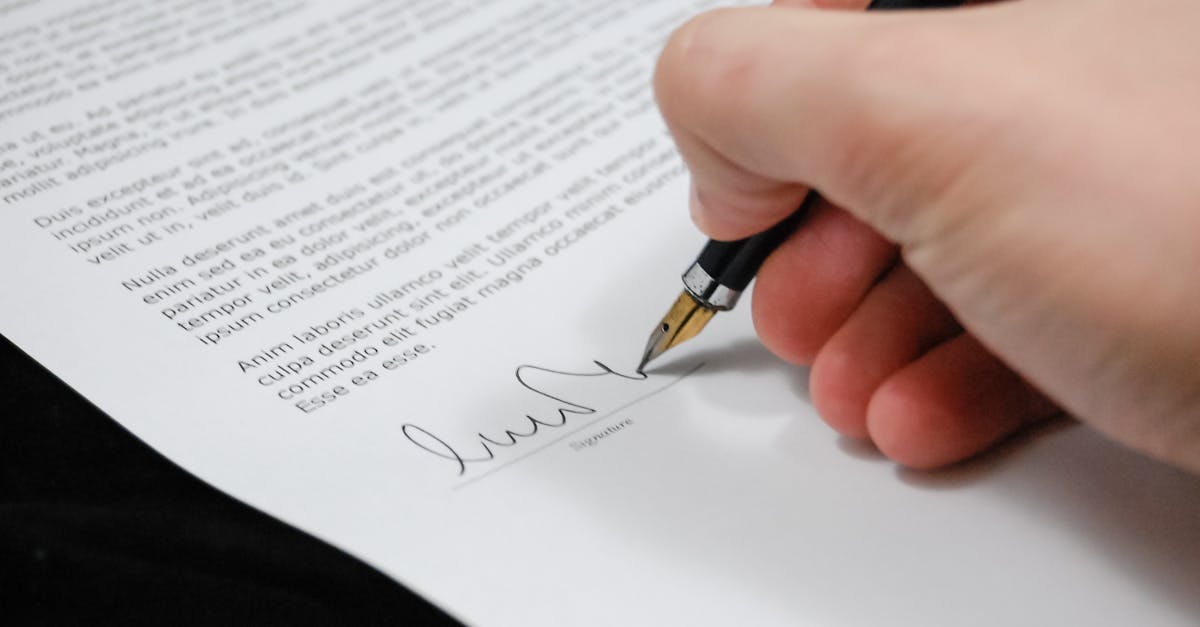
Drafting legal documents without the appropriate legal knowledge can lead to detrimental consequences. Errors in legal documents can have far-reaching implications, potentially compromising the validity and enforceability of the document. From simple spelling mistakes to unclear language, inaccuracies in legal documents can create loopholes that may be exploited in the future, leading to disputes and legal challenges. Thus, it is crucial to exercise extreme caution when drafting legal documents to ensure accuracy and mitigate the risk of unintended consequences.
Careless errors in legal documents can render the entire document invalid. A single mistake in a critical provision or a misunderstanding of legal terminology can jeopardize the document's legal standing, rendering it unenforceable in court. Invalid legal documents can cause significant setbacks, both financially and legally, necessitating costly rectifications and potentially leading to disputes between parties involved. Therefore, thorough attention to detail and legal precision are imperative when drafting any legal document to avoid the severe consequences of errors.
Invalidation of the Document
Invalidation of the Document
Drafting legal documents without the necessary expertise can lead to various issues, including the document being considered invalid. Legal documents need to meet specific criteria and standards to be legally binding. If errors or omissions are present in the document, it may fail to serve its intended purpose. For instance, a will that is inaccurately drafted may not be upheld in court, resulting in unintended distributions of assets and complications for loved ones.
Furthermore, if a document is deemed invalid due to errors in drafting, this could lead to legal disputes and delays in resolving important matters. Invalid documents can cause confusion, disputes among involved parties, and financial losses. Therefore, it is crucial to ensure the accuracy and legality of any document you draft to avoid the risk of invalidation and its potential consequences.
Resources for Legal Document Templates
Resources for Legal Document Templates
Drafting legal documents can be a complex task, especially for individuals without a legal background. Fortunately, there are numerous resources available to assist individuals in creating their own legal documents. Many online platforms offer a wide range of templates for various legal needs, such as wills, contracts, and rental agreements. These templates are designed to guide individuals through the process of drafting important legal documents, providing a structured format and relevant legal language.
In addition to online platforms, professional services also offer legal document templates for a fee. These services may provide more customized templates tailored to specific legal needs or offer additional support, such as legal advice and document review. Utilizing professional services can provide individuals with a higher level of confidence in the accuracy and validity of their drafted legal documents.
Online Platforms vs. Professional Services
Online platforms and professional services each have their own set of advantages and limitations when it comes to drafting legal documents. Online platforms provide convenience and accessibility, allowing individuals to create their own legal documents at any time. These platforms often offer a variety of templates for different legal needs, making it easier for individuals to find a document that suits their requirements without requiring extensive legal knowledge. However, since these platforms are generally automated, they may not be able to address specific nuances or complexities of individual cases.
On the other hand, professional services offer the expertise of trained legal professionals who can provide personalized guidance and ensure that the document is legally sound and tailored to the individual's needs. By working with a professional service, individuals can have the peace of mind that their document has been carefully reviewed and crafted to comply with all relevant legal requirements. While professional services may come at a higher cost compared to online platforms, the level of assurance and quality provided by legal experts can be invaluable in ensuring that the drafted legal document is comprehensive and effective in achieving its intended purpose.
Steps to Take After Drafting Your Document
After drafting legal documents, it is crucial to take the necessary steps to ensure their validity and effectiveness. The first step is to carefully review the document for any errors, inconsistencies, or unclear language that may impact its legal standing. This review process requires attention to detail and a thorough understanding of the legal implications of each provision contained within the document. Once the document has been reviewed for accuracy, it is advisable to seek the guidance of a legal professional to provide feedback and ensure that the document complies with all relevant laws and regulations.
Following the review by a legal professional, it is essential to make any necessary revisions to the document to address any issues or concerns that were identified. This may involve clarifying language, removing ambiguities, or adding additional provisions to strengthen the document's legal validity. After making these revisions, it is important to finalize the document by ensuring that all parties involved sign the document in accordance with the applicable legal requirements. By taking these steps after drafting legal documents, individuals can help protect their legal rights and interests and avoid potential complications or disputes in the future.
Review by a Legal Professional
After drafting legal documents, it is highly recommended to seek the expertise of a legal professional for review. This step is crucial in ensuring that your document accurately reflects your intentions and adheres to the necessary legal standards. A legal professional can provide valuable insights, identify any potential errors or omissions, and suggest any revisions needed to strengthen the document's validity and effectiveness.
Having a legal professional review your drafted documents can help prevent costly mistakes and mitigate the risk of future disputes or challenges. Their specialized knowledge and attention to detail can provide you with peace of mind, knowing that your legal documents are well-prepared and legally sound. Additionally, a legal professional can offer guidance on specific legal language, potential legal implications, and ensure that the document aligns with your overall objectives and legal requirements.
FAQS
Can I draft my own legal documents?
Yes, you have the right to draft your own legal documents, but it is highly recommended to seek professional legal advice to ensure accuracy and validity.
What are the legal consequences of errors in self-drafted legal documents?
Errors in self-drafted legal documents can lead to negative legal consequences, such as unenforceability, disputes, or financial losses.
How can errors invalidate a legal document?
Errors in legal documents can invalidate them if they render the document unclear, contradictory, or in violation of legal requirements.
Where can I find resources for legal document templates?
Resources for legal document templates can be found online on reputable legal websites, through legal software, or by consulting with legal professionals.
What is the difference between using online platforms and professional services for drafting legal documents?
Online platforms provide templates and guidance for self-drafting legal documents, while professional services offer personalized legal assistance and expertise to ensure document accuracy.
What steps should I take after drafting my own legal document?
After drafting your own legal document, it is advisable to have it reviewed by a legal professional to ensure its accuracy, validity, and compliance with legal requirements.